

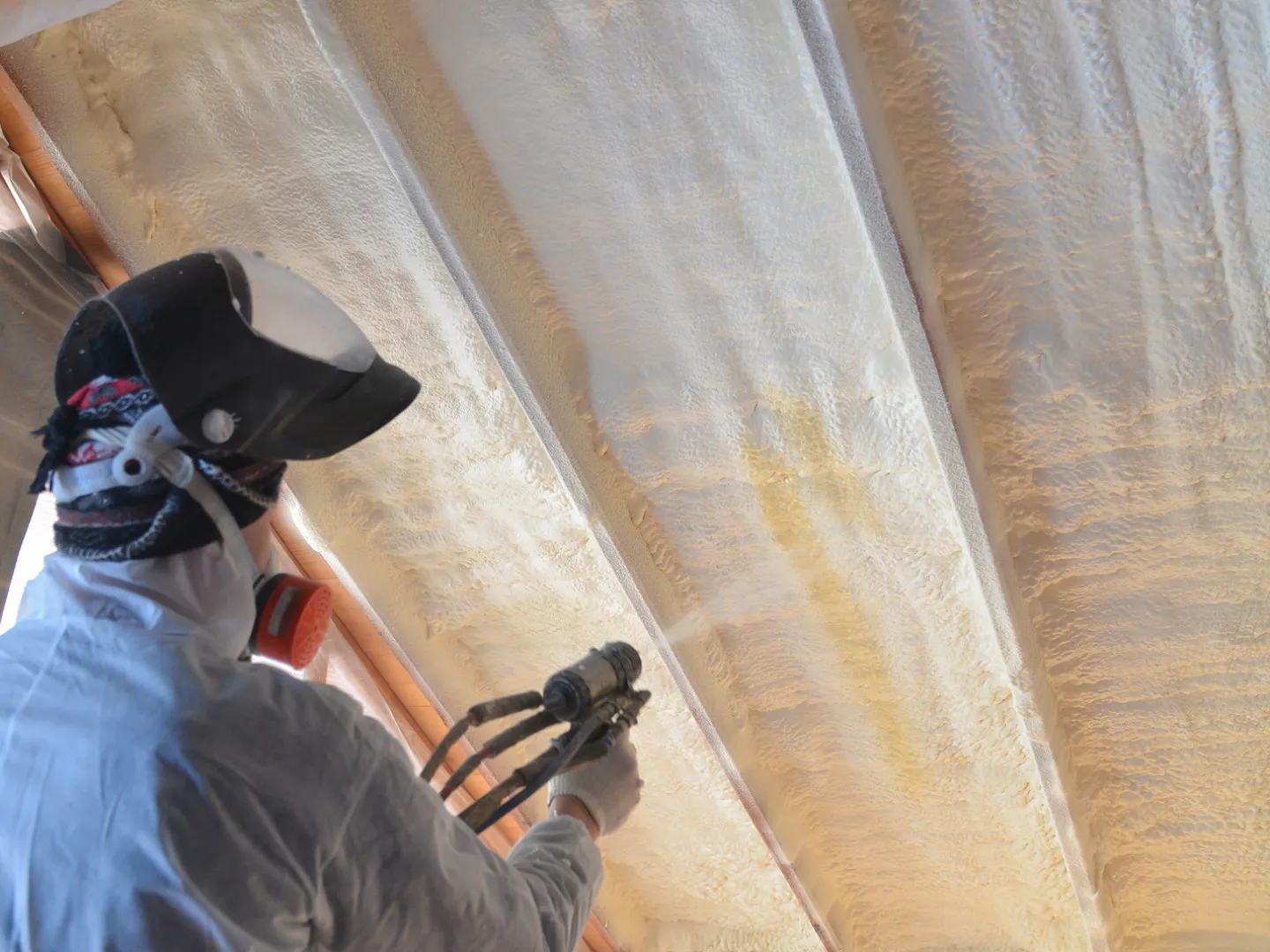
Closed-cell spray foam insulation earns its keep in the zones of a home that fight moisture, air leakage, and tight cavities: the attic roof deck, crawl spaces, basement and foundation walls, rim joists, and exterior walls where you need high R-value in limited depth. Rated at roughly R-6 per inch and acting as both an air barrier and a Class II vapor retarder at standard thicknesses, it fits the wet, mild climate of Vancouver, WA especially well. The right placement always depends on your foundation type, ventilation strategy, and how you use each space, so we map out every priority zone below, along with the cautions that separate a smart installation from a problematic one.
Insulation only pays back where it protects the boundary of your conditioned space. Federal energy research attributes roughly 40 percent of a home’s energy loss to air infiltration through walls, windows, and doorways, and the defining strength of spray foam is air sealing that blocks convective heat transfer between indoors and outdoors. The thermal envelope defines the conditioned space in a house, and the attic or basement may or may not sit inside it Wikipedia. That is why placement strategy comes before product selection: we insulate the line where heated or cooled space meets the outdoors, and we specify closed-cell foam where that line faces moisture or where depth is limited. Air sealing also reduces the convective leakage that undermines fiber insulation, so the same inch of foam in the right zone outperforms inches of batts in the wrong one.
| Application Zone | Why Closed-Cell Fits | Typical Installation Detail | Primary Payoff |
|---|---|---|---|
| Unvented attic roof deck | Brings ducts and HVAC inside the envelope and reaches high R-values in limited depth | Sprayed to the underside of the roof deck at code-required thickness | A semi-conditioned attic, steadier room temperatures, smaller HVAC loads |
| Encapsulated crawl space walls | Works as air barrier and vapor retarder in one product | Walls and band joist sprayed after a ground vapor retarder is installed | Dry, warm floors and protected plumbing |
| Basement and foundation walls | Rigid, adheres well to concrete, resists ground moisture | Sprayed to concrete after drainage and dampproofing are verified | Comfortable, humidity-controlled lower levels |
| Rim joist and band joist | Seals the leakiest framing junction in the home | One continuous pass at the sill-to-foundation line | Draft elimination in a single visit |
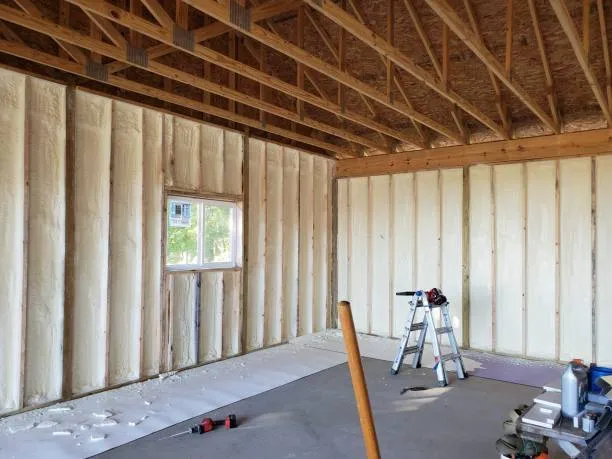
| Exterior walls, bonus rooms, garage ceilings | High R-value in 2×4 or 2×6 cavities, plus sound damping | Full cavity fill during construction, or retrofit injection through drilled holes | Comfort in the hardest rooms to treat |
In a fully vented attic, loose fill on the floor is usually the economical choice. Closed-cell spray foam installation in Vancouver, WA can make sense when you want the attic inside the envelope: low-slope roofs, HVAC equipment and ductwork overhead, or bonus rooms with knee walls. Spraying the roof deck pulls ducts into conditioned space, one reason this detail anchors many high-performance builds. Standard U.S. guidance recommends attic insulation of at least R-38, and a foam roof-deck assembly reaches comparable performance in far less depth than fiber products.
This is often the strongest case for closed-cell foam in a Vancouver, WA home. An unvented, air-sealed crawl space insulated along its perimeter walls creates a dry environment for ducts and HVAC equipment, protects floor joists from condensation in humid weather, and shields floors and pipes from cold snaps. The logic is moisture-driven: relative humidity above 80 percent can support mold growth and rot floor joists, and air in the crawl space tends to rise into living areas through the stack effect. According to Wikipedia, closed crawl spaces in the humid Southeast used significantly less energy for heating and cooling than vented ones, and the same physics applies in Southwest Washington. Our approach pairs foam on the walls and band joist with a sealed ground vapor retarder, which is the combination the Building America program recommends.
Below-grade walls benefit from foam’s rigidity and adhesion to concrete, but sequencing matters. Basement insulation should never trap an active water problem, so we verify exterior drainage and dampproofing first; guidance from the Building America Solution Center is explicit that any standing water, mold, or rotten wood must be corrected before air sealing and insulating. Once the water management checks pass, sprayed foundation walls turn cold, damp concrete into usable, comfortable square footage.
Where the house framing meets the foundation, dozens of small gaps collect into a major leak path. Federal building-science guidance identifies spray foam as a standard solution for rim joists, floors above unconditioned space, and attics because it insulates and air seals at the same time. One continuous pass at the sill line eliminates drafts that batts and rigid board struggle to stop around every joist bay and penetration Wikipedia.
Closed-cell foam fills 2×4 and 2×6 cavities with high R-value, and its density helps dampen airborne sound, which makes it a smart pick for media rooms, bedrooms over garages, and shared walls. Retrofit techniques can even fill existing wall cavities through small drilled holes, letting older Vancouver homes gain envelope performance without opening walls. Rooms over garages and bonus rooms with knee walls round out the short list of spaces where foam usually beats every alternative.
A related caution applies to ventilation. Tightening the envelope changes how a house breathes, so encapsulated crawl spaces need a drying mechanism, and the whole-home ventilation plan should be reviewed after major air sealing.
| Audience or Context | Recommended Approach | Key Notes |
|---|---|---|
| New construction in Vancouver, WA | Foam the crawl space walls and rim joist, then evaluate roof deck by duct location | Plan thicknesses and inspection strips with the building department early |
| Homeowner with cold floors and a vented crawl space | Encapsulate with ground liner, foam walls and band joist | Correct grading and drainage before sealing |
| Basement finishing project | Spray foundation walls, then install the required thermal barrier | Verify exterior dampproofing and downspout discharge first |
| Whole-home energy retrofit | Start at the bottom: rim joist, crawl space, then attic | Sequence work so ventilation gets assessed after tightening |
| Bonus room over a garage | Foam the garage ceiling and knee walls | Combine with duct sealing for full effect |
When we evaluate a home, these are the checkpoints our team walks through with every client before a single board foot is sprayed.
Deciding where closed-cell spray foam insulation belongs in your home comes down to moisture, ductwork, and how you use each space, and our team at Supreme Spray Foam of Vancouver has evaluated hundreds of crawl spaces, basements, and attics across Clark County. We will inspect your foundation and envelope, walk you through the zones that will actually pay off, and give you a written scope with clear thicknesses and R-values. Call us at (360) 300-5800 or email [email protected] to get started, or use the buttons below, and we will respond promptly.
Warm floors, dry crawl spaces, and lower energy bills start with foam in the right places, and our crew is ready to show you exactly where those are in your home.
Yes, once water issues are resolved. Federal building guidance recommends confirming exterior damp-proofing and correcting any standing water or mold before insulating below-grade walls.
It depends on your attic’s role. A vented attic with equipment kept out is fine with floor insulation, while roof-deck foam is the better choice when ducts, HVAC, or living space sit overhead.
At roughly two inches, closed-cell foam functions as both an air barrier and a vapor retarder. Many projects specify two to three inches on foundations and band joists for added R-value.
After curing, the foam is inert and stable. Our team follows manufacturer re-occupancy guidelines, and household members stay out of the work area during application and curing.
Its rigid, adhered nature contributes to wall stiffness and can help seal and reinforce framing connections. It is an added benefit, not a substitute for structural sheathing or engineered bracing.