
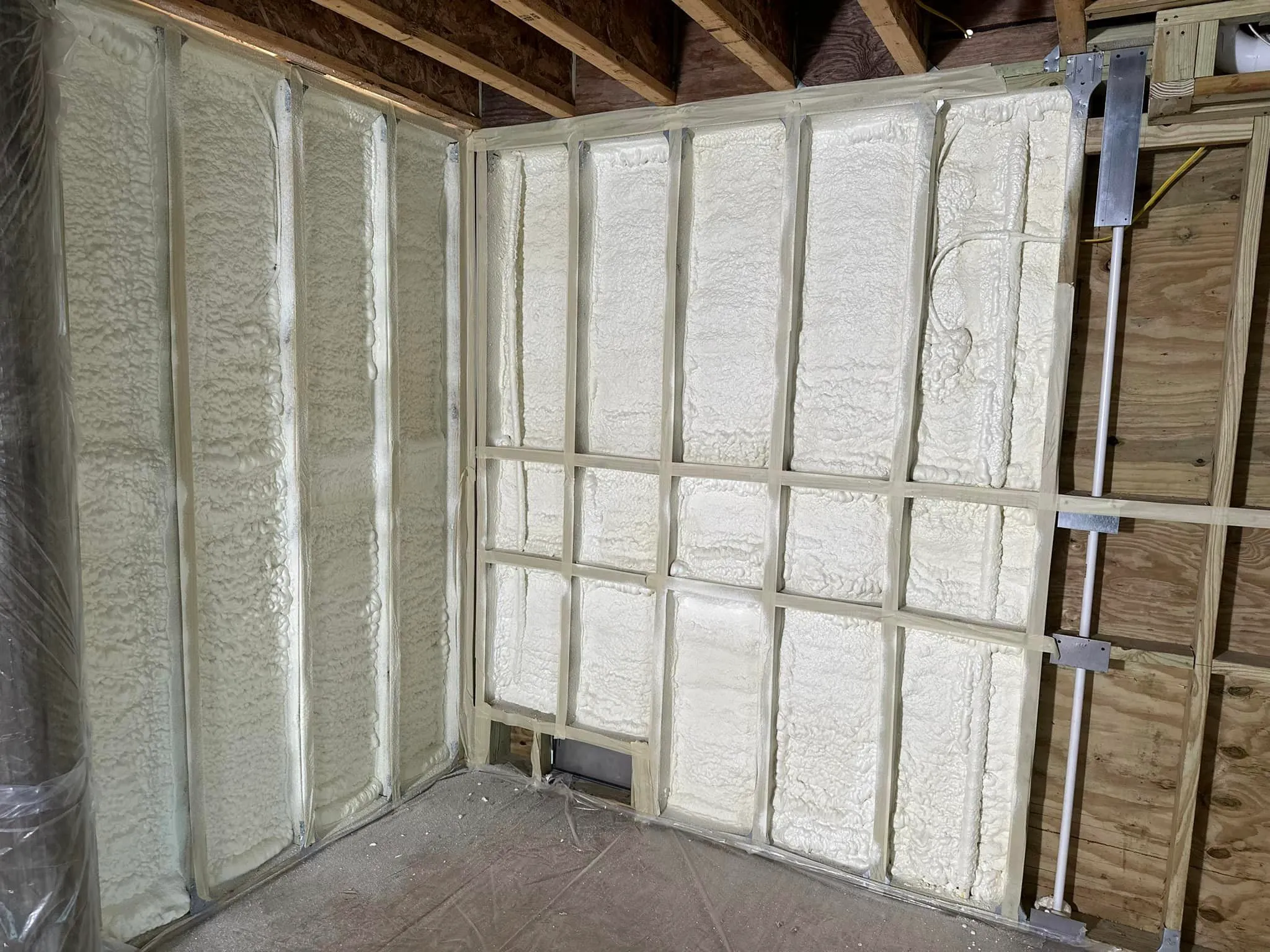
Replace existing insulation when it is wet, moldy, pest-contaminated, badly compacted, or sitting over unsafe materials like vermiculite or knob-and-tube wiring, and add spray foam insulation when what you already have is dry and intact but underperforms. For homeowners, builders, and property managers in Vancouver, WA, the right decision depends on three factors: the condition of the material in your attic, walls, and crawl spaces; the R-value targets for our climate zone; and whether air leakage or heat loss is your real problem. Below, we break down the replacement triggers, the scenarios where new spray foam insulation can be installed without a tear-out, and how to choose between the two approaches.
Age alone rarely settles the question. Condition does. These are the triggers we look for on every inspection.
The EPA‘s guidance on mold is direct: moisture control is the key to mold control, and water-damaged areas should be dried within 24 to 48 hours to prevent growth. Once porous materials grow mold, they often cannot be fully cleaned and may have to be thrown away. Batt and loose-fill insulation behaves the same way. In our damp Southwest Washington climate, a past roof leak or crawlspace moisture problem usually means saturated insulation has to come out, and the moisture source must be fixed before new material goes in.
The Department of Energy‘s pre-retrofit checklist requires inspecting attics for pest damage before any insulation work begins. Droppings, tunnels, and shredded nesting material displace fibers and open air paths through the assembly. Contaminated sections should be removed and the area sanitized before re-insulating.
Loose-fill settles and batts compress over time, and both lose thermal resistance when they sit at or below the tops of the joists. Measure the depth with a ruler and compare it to the R-value targets for your zone. If coverage is thin but the material is clean and dry, you have an addition problem, not a replacement problem.
Two findings always stop the job. Vermiculite insulation may contain asbestos, and active knob-and-tube wiring cannot be covered until it is replaced or properly boxed. Both require professional remediation before any new insulation is installed.
ENERGY STAR links drafty rooms, hot and cold rooms, high heating and cooling bills, winter ice dams, cold floors, and dust or odors drifting from the attic or crawlspace directly to under-insulated and leaky assemblies. If your building shows two or more of these symptoms, the envelope is telling you the story. An inspection will confirm whether the fix is a top-up, targeted foam, or removal.
If the material already in place is dry, unpiece-damaged, and free of hazards, adding new insulation is faster, cleaner, and avoids disposal entirely. Four scenarios favor addition:
| Insulation Type | Typical R-Value | Air Sealing | Moisture Behavior | Best Use |
|---|---|---|---|---|
| Fiberglass batts / loose fill | R-3 to R-4 per inch | None, not an air barrier | Absorbs and holds moisture when wet | Dry attic top-ups |
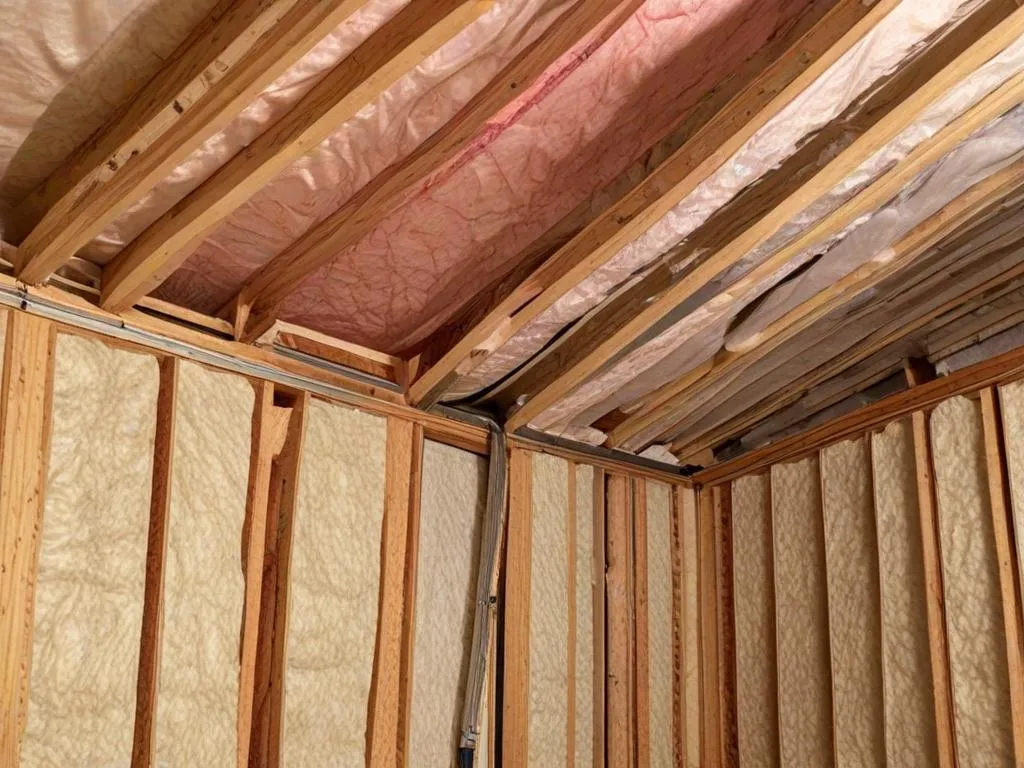
| Open-cell spray foam | About R-3.8 per inch | Air barrier at 5.5 inches or more | Breathes, best for interior use | Wall cavities, sound control |
| Closed-cell spray foam | R-5.1 to R-6 per inch | Air and vapor barrier at proper thickness | Dense structure helps limit condensation | Rim joists, crawl spaces, metal roofs |
| Situation | Replace or Add | Why It Matters | Typical Approach |
|---|---|---|---|
| Wet, moldy, or pest-damaged insulation | Replace | Moldy porous materials cannot be fully cleaned | Remove, fix the moisture source, re-insulate |
| Vermiculite or knob-and-tube found | Remediate first | Safety hazard, cannot be covered | Professional handling before the upgrade |
| Dry attic below R-49 | Add | Zone targets run R-49 to R-60 | Blow-in top-up or foam |
| Drafts with adequate insulation depth | Add spray foam | Fibrous insulation is not an air barrier | Foam at penetrations, rim joists, and chases |
| Re-siding or open-wall remodel | Add while exposed | Easiest access you will ever have | Foam or dense-fill in open cavities |
Supreme Spray Foam of Vancouver evaluates every project the way the Department of Energy says it should be done: moisture, wiring, and ventilation first, then a clear recommendation to replace, add, or blend both approaches. Our team installs open-cell and closed-cell spray foam insulation across Vancouver, WA, and the surrounding Southwest Washington area, and we will tell you honestly when your existing insulation is worth keeping. Call us at (360) 300-5800 or email [email protected] to get started.
Stop paying to heat and cool the outdoors. Book your assessment with our team today.
Yes, if the existing material is dry, intact, and free of hazards like mold or vermiculite. Air-seal penetrations first, since fibrous insulation alone does not stop airflow.
In most cases, yes. The EPA notes that porous materials with mold growth usually cannot be cleaned completely and should be discarded, and the moisture source must be fixed before re-insulating.
Our marine climate zone calls for R-60 over an uninsulated attic and R-49 when adding over 3 to 4 inches of existing insulation, per ENERGY STAR’s zone table.
Open-cell, at about R-3.8 per inch, suits interior walls and sound control. Closed-cell, at R-5.1 to R-6 per inch, is the choice where moisture resistance and rigidity matter.
Watch for drafts, rooms that will not hold temperature, ice dams, rising utility bills, and insulation sitting below the tops of your attic joists. Any two of these warrant a professional inspection.